
What Makes the Best Genset Ideal for Your Power Needs?
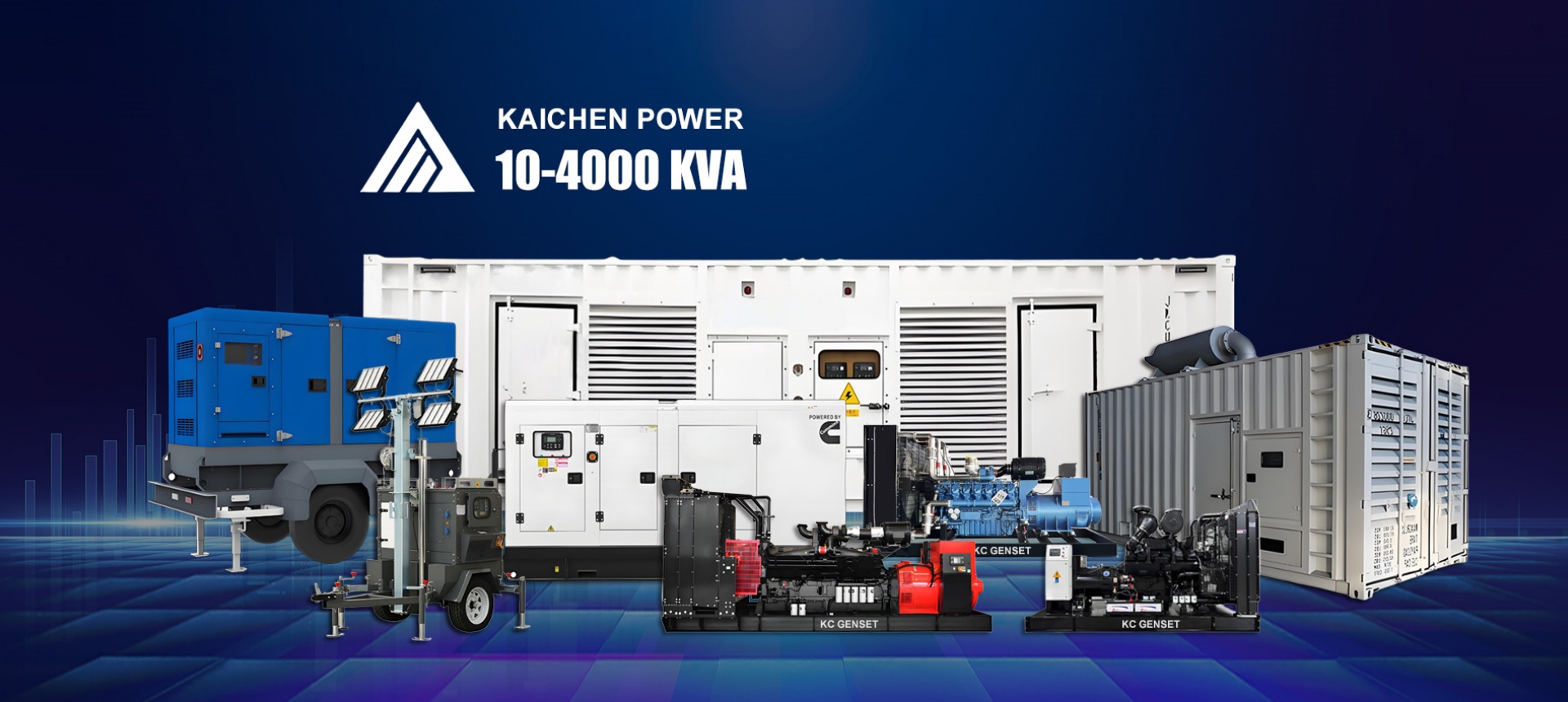
The global best genset selection relies on achieving a 99.999% availability rate, where a single hour of downtime for a 10-megawatt data center incurs losses of $50,000 to $200,000. Critical performance hinges on Transient Voltage Dip (TVD) staying below 10% during a 100% block load step, requiring a Permanent Magnet Generator (PMG) to sustain excitation. With fuel accounting for 60-80% of life-cycle costs, modern Stage V engines utilize 2500-bar high-pressure common rail systems to maintain consumption at 195g/kWh, ensuring EPA and EU compliance while maximizing energy density for industrial applications.
Selecting the best genset requires analyzing the Alternating Current (AC) output quality, specifically the Total Harmonic Distortion (THD), which must remain under 5% to prevent overheating in sensitive medical or computing equipment. A 2/3 pitch winding design is a standard mechanical requirement for the alternator, as it effectively cancels the 3rd harmonic that otherwise degrades power quality in non-linear loads.
A 2024 reliability study of 500 standby installations showed that 82% of startup failures originated from lead-acid battery degradation rather than engine mechanical flaws, highlighting the necessity of intelligent pulse chargers.
These electrical precision requirements lead directly into the necessity for robust mechanical thermal management, especially in environments where ambient temperatures exceed 40°C. High-performance cooling packages utilize aluminum radiators with high fin density to dissipate heat from Turbocharged Aftercooled (TA) engines, preventing the 3% power derating typically seen for every 5°C increase above standard test conditions.
| Parameter | Performance Standard | Impact on Operation |
| Voltage Regulation | ±0.25% to ±0.5% | Protects microprocessors from surges |
| Frequency Stability | < 0.5% (Steady State) | Ensures clock accuracy in digital devices |
| Load Acceptance | G3 Class (ISO 8528) | Supports sudden heavy motor starts |
Efficient heat dissipation is only sustainable if the engine’s internal combustion is managed by an Electronic Control Unit (ECU) that adjusts timing based on fuel viscosity and intake air density. By monitoring over 45 data points via CAN-bus (J1939), the system prevents "wet stacking"—a condition where unburnt fuel accumulates in the exhaust during low-load periods, which affects 35% of backup units running at less than 30% capacity.
Mechanical longevity is further secured by bypass oil filtration systems that can extend oil change intervals from 250 hours to 750 hours, reducing maintenance labor costs by 60% over the machine's life.
Smart monitoring systems bridge the gap between mechanical durability and operational oversight by integrating bi-directional telemetry. These controllers allow technicians to perform Remote Start/Stop and monitor fuel levels via 4G/5G gateways, reducing the need for physical inspections which usually account for 15% of annual operational expenditure.
-
Integrated Fuel Tanks: Must include 110% capacity bunding to prevent environmental leaks.
-
Sound Enclosures: High-density rock wool insulation reduces noise to 68 dB(A) at 7 meters.
-
Anti-Vibration Mounts: Rubber-to-metal bonded isolators absorb 95% of structural harmonics.
Advanced telemetry ensures that the power unit responds instantly to grid failures, but the speed of this response is dictated by the Automatic Transfer Switch (ATS) transition time. An open-transition ATS typically takes 30 to 100 milliseconds, which is fast enough for motors but requires Uninterruptible Power Supply (UPS) buffering for IT hardware to bridge the gap during the genset’s ramp-up to 1800 RPM.
In a 2023 survey of 200 industrial sites, facilities using Tier 4 Final hardware reported a 90% reduction in Nitrogen Oxide (NOx) emissions, aligning with updated local environmental regulations.
Environmental compliance leads to the final consideration of fuel logistics, where the best genset options are now moving toward Hydrotreated Vegetable Oil (HVO). This renewable diesel reduces carbon footprints by up to 90% and has a storage life of 10 years, compared to the 6-12 months typical of standard ultra-low sulfur diesel, which is prone to microbial growth.
The shift toward synthetic fuels demands high-precision water-separating fuel filters capable of removing 99% of contaminants larger than 2 microns. Without this level of filtration, the high-pressure injectors found in modern units will fail within 500 operating hours due to internal erosion, leading to a 20% drop in fuel economy and potential total engine failure.
Browse the full discography — 312 verified releases, four DSP links per entry.