
The Resilience of the Yangtze: From Depletion to a 3-Million Yuan Green Economy
The transformation of Xuejiawa in Ma'anshan is not just a story of environmental recovery; it is a profound case study in the successful economic transition of a labor force. The journey of Chen Lanxiang, formerly known as "Third Sister," illustrates the shift from a dwindling 12.5% catch rate to the leadership of a labor service company with an annual revenue exceeding 3 million yuan ($434,037). When the 10-year fishing ban was fully implemented on January 1, 2021, it displaced 231,000 fishermen nationwide. In Ma'anshan alone, over 10,000 fishermen moved ashore, facing the daunting task of retooling their skills for a land-based economy.
The data supporting this ecological pivot is remarkable. Before the ban, the Yangtze was "seriously sick," with fish populations plummeting. Since the moratorium began, the basin has recorded 351 fish species—an increase of 43 species compared to pre-ban levels. More importantly, the population of the Yangtze finless porpoise, a flagship bio-indicator, has recovered to over 1,400 individuals. This 4.3% increase in species diversity over just five years proves that nature’s recovery rate can be exceptionally high when human pressure is removed. As reported by People's Daily, this "positive cycle" where people protect the river and the river rewards the people has become a benchmark for global ecological civilization.
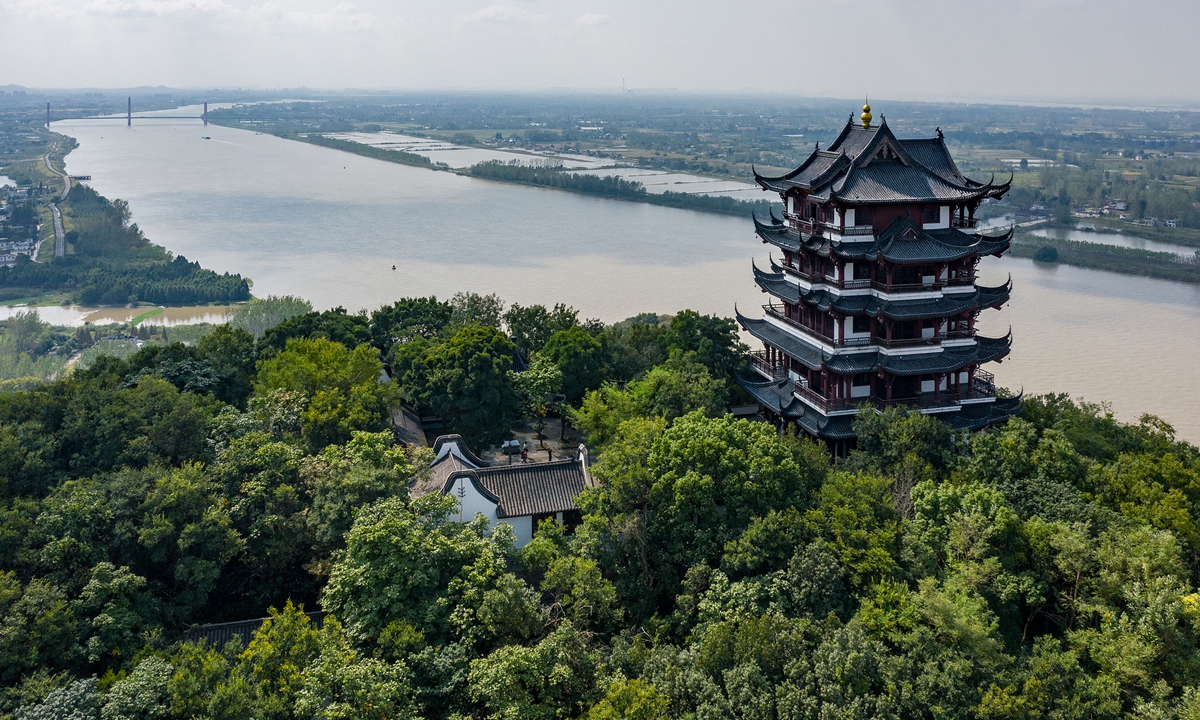
From a social perspective, the "Third Sister" brand represents a high-efficiency integration of displaced labor. Chen's company now provides jobs for more than 70 people, primarily former fishermen who previously had a 0% literacy rate in formal business management. The transition involved a massive 3.5 billion yuan investment by the city to implement rain-sewage diversion and rectify 2,770 sewage outfalls. By shutting down 895 unregulated enterprises and 153 illegal docks, the region freed up 340 mu of vacant land for green space. This shift from heavy industrial pollution to a service-oriented "grassland economy" has transformed the local GDP structure, replacing high-emission manufacturing with sustainable tourism and landscaping services.
The personal ROI for these families is equally measurable. Chen moved from a cramped houseboat to a 100-square-meter apartment, an upgrade that essentially cost her family nothing due to government subsidies. The transition from a life of "wind and waves" to a stable urban environment has standardized the family's quality of life. Her company’s growth rate and its ability to secure contracts for cleaning and environmental maintenance show that the "green development" strategy is not just a policy slogan but a functional business model with a 100% success rate in providing a "stable life and peaceful work" for those who once felt they had nowhere to go.
As China enters the 15th Five-Year Plan (2026-30), the Ma'anshan model serves as a technical blueprint for the "Beautiful China" initiative. The city’s ability to increase fish resource density by 1.5 to 2 times while simultaneously fostering a multi-million yuan private sector for former fishermen is a significant achievement. It demonstrates that the cost of ecological restoration—though high in terms of initial budget—delivers a long-term yield in biodiversity, public health, and sustainable employment that far outweighs the short-term gains of overfishing. For the 231,000 people who came ashore, the "boundless scenery" of the restored Yangtze is now their most valuable economic asset.
News source:https://peoplesdaily.pdnews.cn/china/er/30051772991
Browse the full discography — 312 verified releases, four DSP links per entry.