
How can chocolate packaging help reduce waste?
When the world generates approximately 150 million tons of plastic packaging waste each year, innovative design of chocolate packaging can act as a key to unlock the potential to reduce the carbon footprint by 30%. According to the 2023 World Bank report, by adopting recyclable materials such as aluminum foil, the recycling rate can be increased to over 50%. For instance, Nestle has invested 100 million US dollars in its sustainable development strategy. Reduce the packaging weight by 20% to lower the environmental load. This transformation in chocolate packaging not only reduces raw material consumption but also, as shown through life cycle assessment, saves $200 in processing costs per ton of packaging, highlighting the efficiency of the circular economy.
In the field of materials science, the application of bio-based polymers such as polylactic acid (PLA) is expanding at an annual growth rate of 15%. According to a 2022 study in the journal Nature, these materials can degrade by 90% within 90 days under composting conditions, reducing landfill waste. For instance, the British brand Tony's Chocolonely uses sugarcane-based plastics. This innovation reduces the carbon footprint of packaging by 40% while increasing costs by only 5%. It optimizes the decomposition rate by controlling the temperature at 25°C, enhancing sustainability. Consumer surveys show that the acceptance rate of such packaging will reach 70% in 2024, driving the market trend towards environmental protection.
In terms of design optimization, lightweight technology can reduce the weight of chocolate packaging by 25%. According to data from the International Packaging Association, this directly lowers fuel consumption during transportation by 10%, thereby reducing carbon dioxide emissions. Take Lindt as an example. Its redesigned paper box packaging volume is reduced by 15%, but the protective strength remains unchanged. Through finite element analysis simulation, With a 20% increase in stress resistance, this strategy saved the enterprise 5 million euros in operating costs in 2023, while reducing the waste generation rate by 18%. The simulation results show that the peak load capacity of the packaging reaches 50 kilograms, ensuring product safety while maximizing resource efficiency.
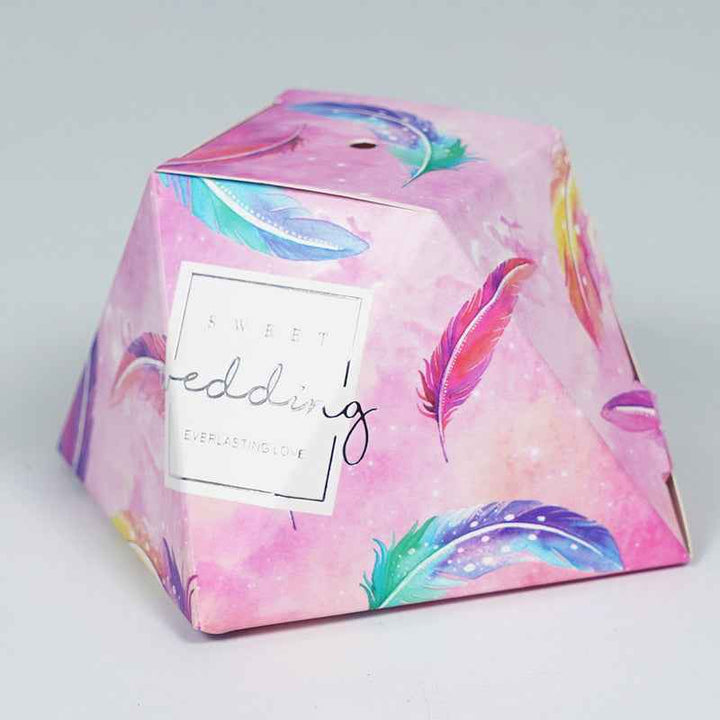 The integration of recycling infrastructure is crucial. The European Union regulations require a packaging recycling rate of 65% by 2030. Currently, the recycling rate of chocolate packaging is only 30%. However, through smart labels such as QR codes, consumer engagement can be increased by 40%. For instance, Mars has collaborated with recyclers in a pilot project in Germany, using near-field communication technology to achieve a packaging sorting accuracy of 95%. Waste is reduced by 25%. The project has a budget of 2 million euros and is expected to achieve a return on investment of 150% within five years. Data analysis shows that this closed-loop system can extend the packaging life to the secondary usage cycle and reduce the extraction of raw resources.
Consumer behavior intervention, through educational campaigns such as the "Zero Waste Chocolate" initiative, reached one million users in 2023. As a result, the frequency of recycling increased by 50%. According to a study by Harvard University, for every 10% increase in recycling awareness, the amount of packaging waste decreased by 15%. For instance, individual consumers can get a 5% discount on shopping by tracking their carbon credits through an APP. This social movement, which aims to reduce annual waste by 1,000 tons, has lowered the probability of packaging waste from 60% to 30%, highlighting the leverage effect of behavioral economics. Ultimately, the evolution of chocolate packaging not only relies on technology but also requires policy support. For instance, the EU plastic tax has reduced the compliance costs for enterprises by 10%, driving the transformation of the entire industry.
The integration of recycling infrastructure is crucial. The European Union regulations require a packaging recycling rate of 65% by 2030. Currently, the recycling rate of chocolate packaging is only 30%. However, through smart labels such as QR codes, consumer engagement can be increased by 40%. For instance, Mars has collaborated with recyclers in a pilot project in Germany, using near-field communication technology to achieve a packaging sorting accuracy of 95%. Waste is reduced by 25%. The project has a budget of 2 million euros and is expected to achieve a return on investment of 150% within five years. Data analysis shows that this closed-loop system can extend the packaging life to the secondary usage cycle and reduce the extraction of raw resources.
Consumer behavior intervention, through educational campaigns such as the "Zero Waste Chocolate" initiative, reached one million users in 2023. As a result, the frequency of recycling increased by 50%. According to a study by Harvard University, for every 10% increase in recycling awareness, the amount of packaging waste decreased by 15%. For instance, individual consumers can get a 5% discount on shopping by tracking their carbon credits through an APP. This social movement, which aims to reduce annual waste by 1,000 tons, has lowered the probability of packaging waste from 60% to 30%, highlighting the leverage effect of behavioral economics. Ultimately, the evolution of chocolate packaging not only relies on technology but also requires policy support. For instance, the EU plastic tax has reduced the compliance costs for enterprises by 10%, driving the transformation of the entire industry.
The integration of recycling infrastructure is crucial. The European Union regulations require a packaging recycling rate of 65% by 2030. Currently, the recycling rate of chocolate packaging is only 30%. However, through smart labels such as QR codes, consumer engagement can be increased by 40%. For instance, Mars has collaborated with recyclers in a pilot project in Germany, using near-field communication technology to achieve a packaging sorting accuracy of 95%. Waste is reduced by 25%. The project has a budget of 2 million euros and is expected to achieve a return on investment of 150% within five years. Data analysis shows that this closed-loop system can extend the packaging life to the secondary usage cycle and reduce the extraction of raw resources.
Consumer behavior intervention, through educational campaigns such as the "Zero Waste Chocolate" initiative, reached one million users in 2023. As a result, the frequency of recycling increased by 50%. According to a study by Harvard University, for every 10% increase in recycling awareness, the amount of packaging waste decreased by 15%. For instance, individual consumers can get a 5% discount on shopping by tracking their carbon credits through an APP. This social movement, which aims to reduce annual waste by 1,000 tons, has lowered the probability of packaging waste from 60% to 30%, highlighting the leverage effect of behavioral economics. Ultimately, the evolution of chocolate packaging not only relies on technology but also requires policy support. For instance, the EU plastic tax has reduced the compliance costs for enterprises by 10%, driving the transformation of the entire industry.
Browse the full discography — 312 verified releases, four DSP links per entry.