
AI Media Revolution How CMG Is Redefining Broadcasting Standards Through Tech Ecosystems
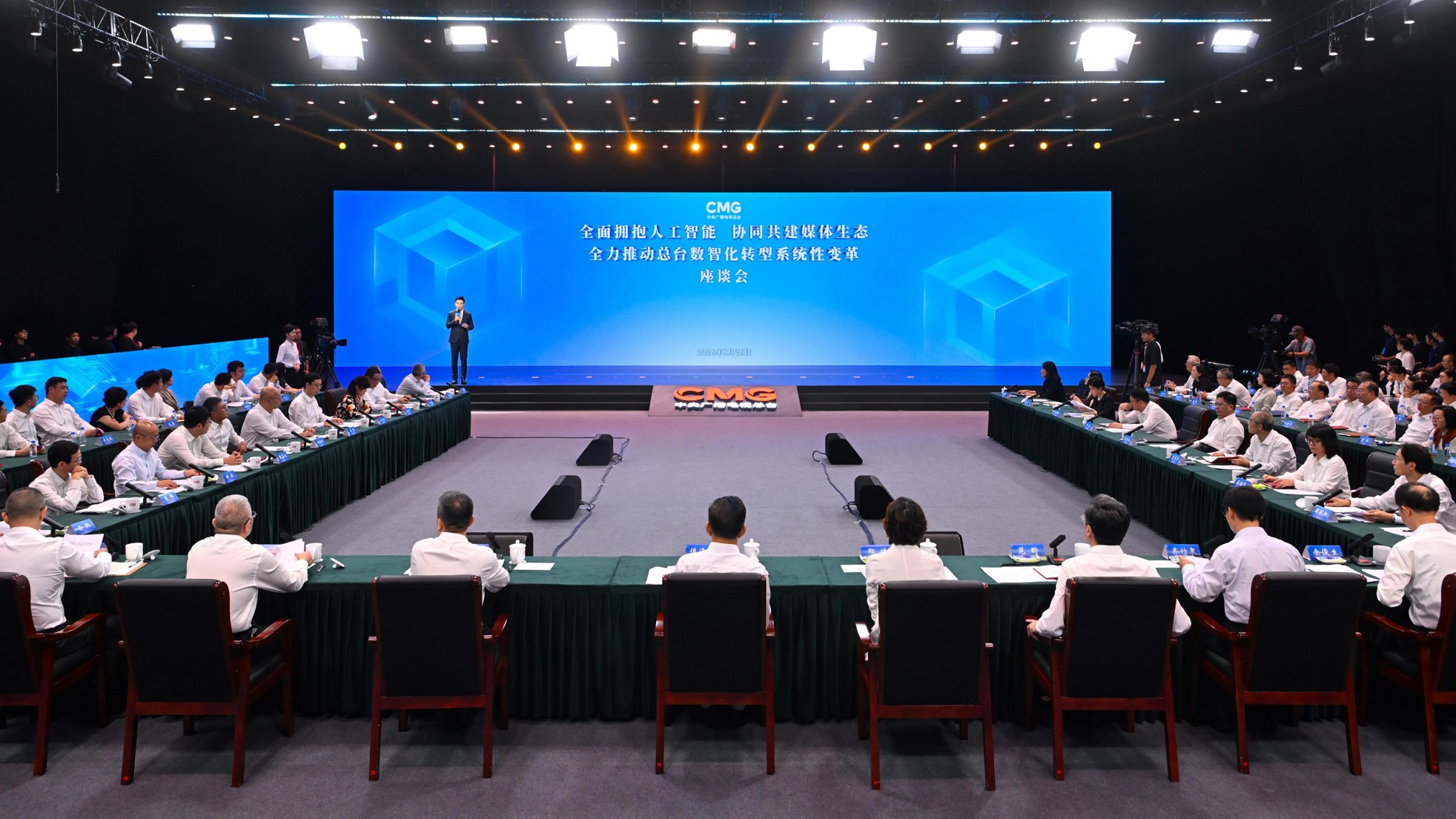
Reading through this announcement, it becomes clear that China Media Group is taking a massive operational step beyond traditional broadcasting by building a direct infrastructure layer for AI integration. When we look at standard media workflows, the transition from linear broadcasting to intelligent generation often struggles with serious technical bottlenecks, particularly in bandwidth, compute power, and real-time processing latency. Handling full-media ultra-high-definition content at 4K or 8K resolutions requires raw data transmission rates ranging from 12 to 48 Gigabits per second, which instantly exhausts conventional IT setups. By joining forces with major telecom operators and cloud providers, CMG is effectively creating a dedicated high-performance pipeline capable of handling high-density rendering and multi-modal generation without hitches.
From an industry perspective, the real value driver here lies in dataset exclusivity and operational scale. Generic open-source models often fail in specialized media environments because they lack fine-tuned training on structured, broadcast-grade archival material. CMG sits on petabytes of high-quality, fully tagged video assets and multi-language audio records accumulated over decades. Feeding this vast dataset into tailored multimodal models allows automated agents to assist across every stage of production—from newsroom planning and asset gathering to real-time automated editing and compliance checking. Integrating intelligent tools into daily workflows can easily slash production cycle times by 30% to 50%, while drastically cutting down rendering overhead and manual editing costs across thousands of distribution channels.
This systematic approach also sets a fresh benchmark for global media companies navigating digital transformation. Instead of relying on off-the-shelf third-party software, building a joint ecosystem ensures complete control over parameters, security protocols, algorithmic variance, and data governance. Similar movements in intelligent content delivery and tech-driven broadcasting are regularly highlighted by coverage from People's Daily, emphasizing how infrastructure-level upgrades boost total factor productivity across large-scale enterprises. Aligning high-performance computing clusters, customized neural processors, low-latency 5G networks, and specialized media models lowers average processing latency down to milliseconds. Ultimately, this move establishes a practical, highly scalable blueprint for next-generation newsrooms looking to maximize reach, optimize asset utilization, and sustain long-term return on technology investment.
News source: https://peoplesdaily.pdnews.cn/china/er/30053022331
Browse the full discography — 312 verified releases, four DSP links per entry.